EICR & Electrical Safety Certificates in Ramsgate & Thanet
An Electrical Installation Condition Report (EICR) tells you whether the electrics in a property are safe. We carry them out for landlords, homeowners, buyers and businesses across Thanet and the wider Kent area.
Starting from £160 + VAT
5.0from over 130 Google reviewsAn EICR is a thorough check of the fixed wiring in a property. That covers the consumer unit, circuits, sockets, switches, light fittings and earthing. We inspect and test the installation, then write up what we found in a report you can follow.
TKM Electrical is a family-run NICEIC Approved Contractor based in Thanet. We carry out EICRs on flats, houses, rented properties and business premises in Ramsgate, Margate, Broadstairs, Deal and Sandwich.
When is your next EICR due?
Enter the date on your last report and we'll work it out.
Haven't got a report, or can't find it? Landlords need a current one, so book an inspection.
EICRs for landlords
If you let a home in England, the Electrical Safety Standards in the Private Rented Sector (England) Regulations 2020 apply to you. The installation has to be inspected and tested by a qualified and competent person. Here is what the rules ask of you.
- Have the electrics inspected and tested at least every 5 years.
- Give your tenants a copy of the report within 28 days of the inspection.
- Complete any remedial work within 28 days, or sooner if the report says so.
Homeowners, buyers and sellers
There's no legal requirement for an owner-occupier to have an EICR. Guidance suggests one every 10 years for a home you live in, and whenever a new occupier moves in. It's also worth having one if your electrics are old, or before a new kitchen or extension.
You don't need one to sell either, although a recent report can answer buyers' questions early. If you're buying, remember that a building survey looks at the electrics without testing them. An EICR gives you a tested picture before you commit.
EICRs for businesses
The Electricity at Work Regulations 1989 require electrical systems at work to be maintained so they don't cause danger. A periodic EICR is the usual way to show you've done that, and your insurer may ask to see one.
We inspect offices, shops, workshops and industrial units. Testing means switching circuits off, so we'll plan the visit with you to keep disruption down.
What the codes on your report mean
Anything that needs attention is given a code. A C1, C2 or FI makes the overall result unsatisfactory.
- C1, danger present. There is a risk of injury and it needs dealing with immediately.
- C2, potentially dangerous. Urgent remedial work is needed.
- C3, improvement recommended. This is advice and won't fail the report on its own.
- FI, further investigation required without delay. Something needs a closer look before it can be called safe.
How it works
- 1
Get in touch
Call, email or message us on WhatsApp. Tell us about the property, such as its size and whether it's let, and we'll give you a free quote.
- 2
Inspection and testing
We inspect the installation and test the circuits. The power will be off for parts of the visit, so we'll tell you what to expect beforehand.
- 3
Your report
You receive a written EICR that lists anything we found with its code, an overall result and a recommended date for the next inspection.
- 4
Putting things right
If anything needs fixing, we explain it in plain English and quote for the work. Once it's done, you get the certificates to show it.
What customers say about us
Thomas M. Ty has done a fantastic job helping get my house safe and sorted. It needed quite a bit of work to bring everything up to scratch, and he’s handled it all brilliantly. The team have been responsive, efficient, and everything’s been done to a really high standard. They’ve been easy to work with clear communication and totally dependable. I’ll definitely call on for any future electrical work and would absolutely recommend.
Common questions
How often do I need an EICR?
For a rented home in England, the law says at least every 5 years, or sooner if the last report asks for it. For a home you own and live in, guidance suggests every 10 years and whenever a new occupier moves in. Businesses usually follow the interval recommended on their last report. Every EICR shows the recommended date for the next inspection, so check yours.
How long does an EICR take?
It depends on the size of the property, the number of circuits and how easy it is to get to everything. A small flat takes far less time than a large house or a busy workshop. We'll give you an idea when you book, so you can plan around the power being off for parts of the visit.
What happens if my EICR is unsatisfactory?
It means we found at least one item coded C1, C2 or FI. We'll explain each one and give you a free quote for the remedial work. Landlords must have the work done within 28 days, or sooner if the report says so. Once it's complete, you get the paperwork to show the work has been done.
Can my tenants stay in while you carry out the EICR?
Yes. Tenants can stay in, but the power will be off for parts of the test, so it's worth letting them know. We need access to every room, the consumer unit and any outbuildings with electrics. If something is locked or blocked, we may not be able to test it, and it will be noted as a limitation on the report.
Is an EICR the same as a PAT test?
No. An EICR covers the fixed wiring, such as circuits, sockets, switches and the consumer unit. PAT testing covers appliances that plug in, like kettles and extension leads. The 2020 regulations don't require landlords to PAT test, but it's good practice for appliances you supply. Our NICEIC listing includes PAT registration, so ask if you'd like both done.
Related services
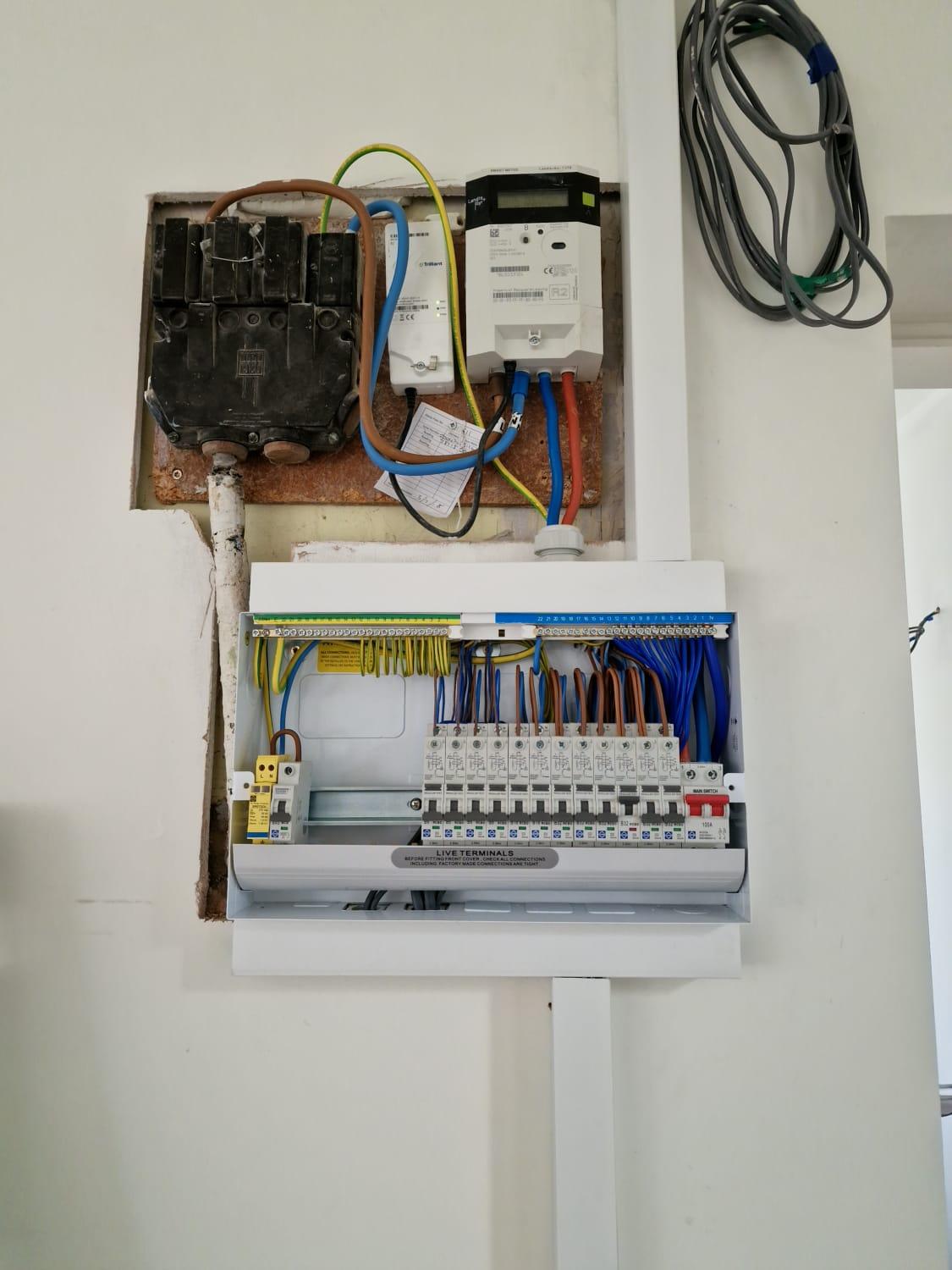
Consumer Unit (Fuse Box) Replacement
Swap an old fuse box for a modern consumer unit with proper RCD protection, fitted, tested and certified by a NICEIC Approved Contractor.
Find out more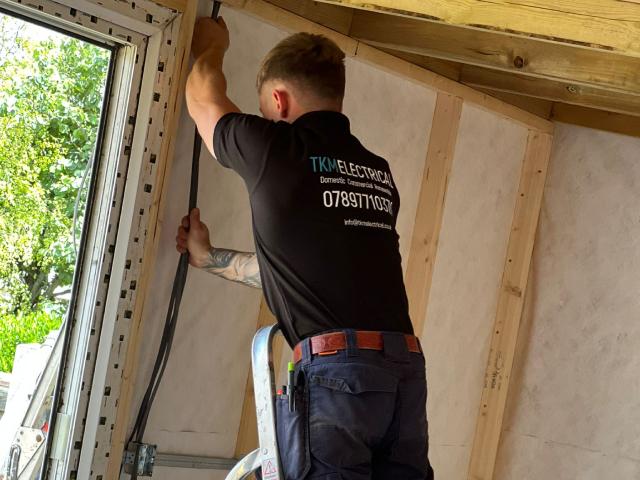
Electrical Fault Finding & Repairs
Tripping switches, flickering lights, dead sockets or a smell of burning. We track down the cause and fix it properly.
Find out more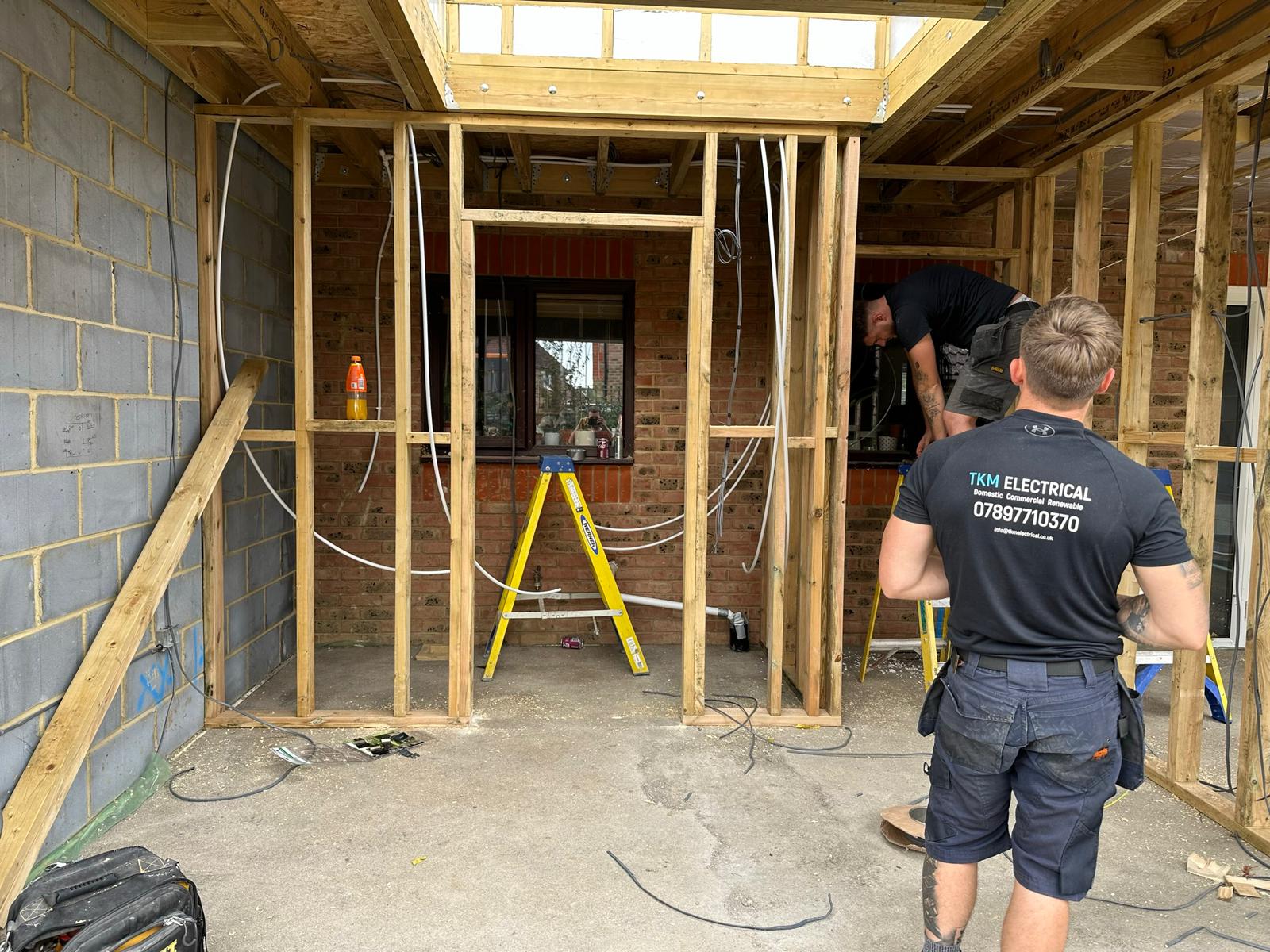
House Rewiring
Full and partial rewires for houses and flats, planned with you from the start and certified when the work is done.
Find out more
Ready to book, or need advice first?
Call us or send a message and we'll talk it through. Quotes are free and there's no obligation.